
Family History: A Deck of Cards
By Renuka Garg
When I think of family, I immediately think of playing cards. New Year’s Eve parties punctuated by 25-person Crazy 8s, dragging on for hours because we’d all stack dugis and thiggis (twos and threes) to punt the burden of drawing cards. Intense rounds of rummy with my buaji (paternal aunt) when visiting her in Toronto. Staving off boredom during the 2020 lockdown by rotating through satti (seven) and courtpiece. And most recently, testing how well we can read each other with cash-free poker, where my bluffing-induced bankruptcies are always met with generous bailouts from my 13-year-old cousin who somehow always wins.
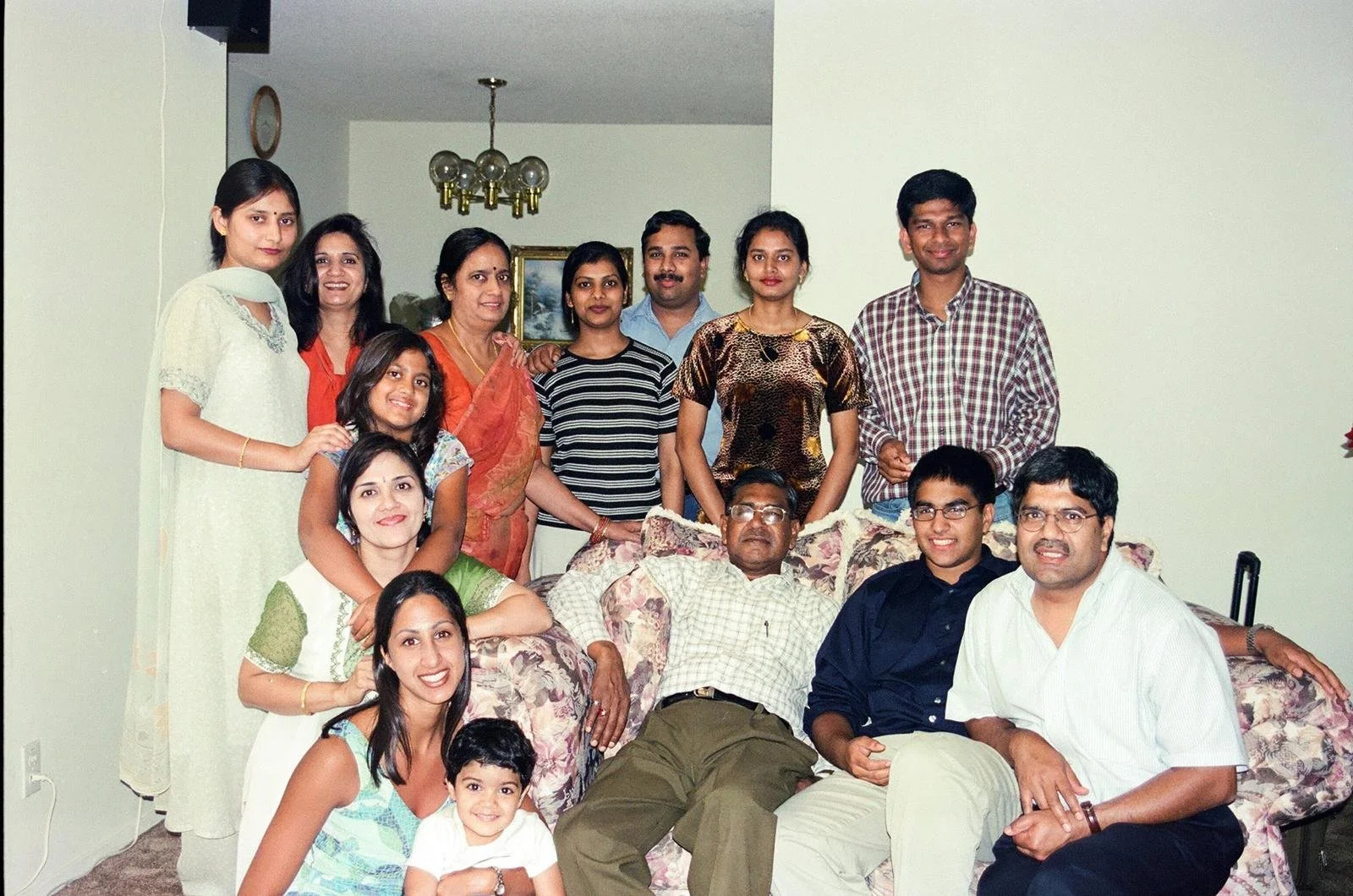
Just some of the family I grew up with
I have been incredibly fortunate to be surrounded by a vast network of extended family in the Bay Area. There were never any quiet weekends growing up, as cousins became siblings through these endless rounds of cards, Housie, and boardgames over years of birthday and Hindu festival celebrations.
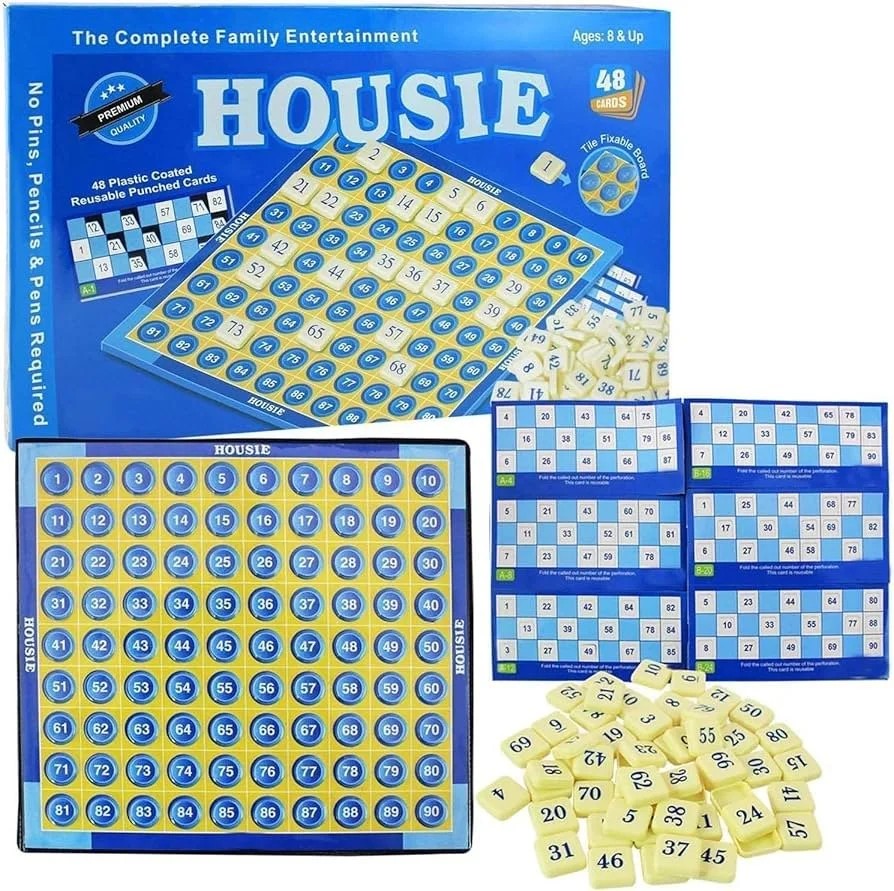
Hot take: Housie > bingo
My parents have become the de facto elders of our family here, but they are actually both among the youngest of their many siblings. Recently, I got my bhaiya (elder cousin-brother) to list out my dad’s 11 siblings and all their children. As he went down the roster (which took a full 10 minutes), it struck me how many names I had never heard before. All the people lost in the nearly 40 years since my parents left India.
My parents emigrated from India in the late 80s, first to Canada and then to California, while most of their siblings and families remain in North India (mostly Uttar Pradesh) to this day. I have lived in California my entire life and only ever visited India once every 7 years. My dad’s parents passed long before I was born and with these infrequent trips, I only got to meet my mom’s parents a few times before they both passed by the time I was 13.
When I spent time with my Nanaji (maternal grandfather) and Naniji (maternal grandmother) as a kid, I was never sure what to say or do, in large part because of our language gap. I could understand most of the Hindi they spoke to me with, but never felt confident returning the language myself. Instead, I looked to my parents or older sister to speak for me, many intimacies lost in translation.
However belatedly, I have been trying to regain some of these intimacies by learning the stories of our family in India through my family here. Reflecting on these stories always makes me wonder, “what if?” What if I had had more time with my grandparents and my extended family? Would I feel a stronger tie to the places my parents first called home? Would I feel more connected to tradition, my mother tongue, my family’s history? Would I feel more Indian?
Among this grief, I also see the possibility in “what is.” For me, family has never been constrained by relationships that carry specific names in Hindi. My bhaiya’s bhaiya’s sons have shaped me as much, if not more than, some of my own bhaiyas and didis (elder cousins/sisters). I also wonder, in another universe where I was closer to my family in India, if I would have had as much space to find my own path. To live on my own terms. To explore this particular combination of Indian and American that allows me to live in my truths while honoring who & where I come from.
As I help to build a space for the next 7 generations here at The Banyan Tree, I am constantly asking myself how to thread that line. What parts of my family history do I want to carry forward into my family’s future? I’m still working on the answer, but one thing I can say for certain is that, whatever our future looks like, there will definitely be a deck of cards present.